



Saigon’s Chinatown – A Living Heritage in the Heart of the City
Summary of content
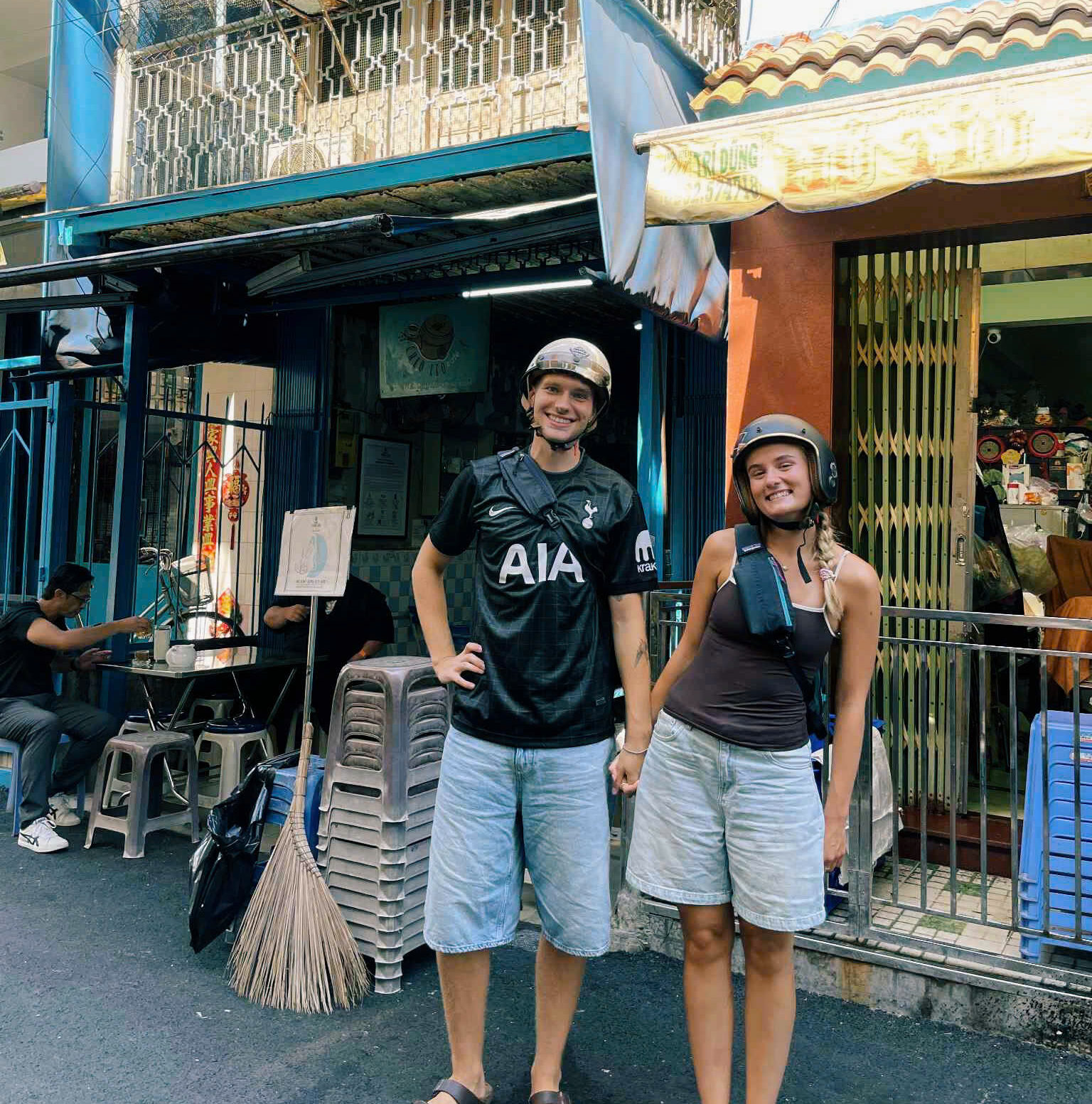
Tucked away in District 5, Cho Lon—literally “Big Market”—is Saigon’s Chinatown, and one of the most fascinating neighborhoods to explore. More than just a commercial hub, it is a place where history, culture, and tradition blend seamlessly into the modern city. For travelers, wandering through Cho Lon is like stepping into a parallel world within Saigon, full of colors, sounds, and centuries-old heritage.
A Glimpse into History
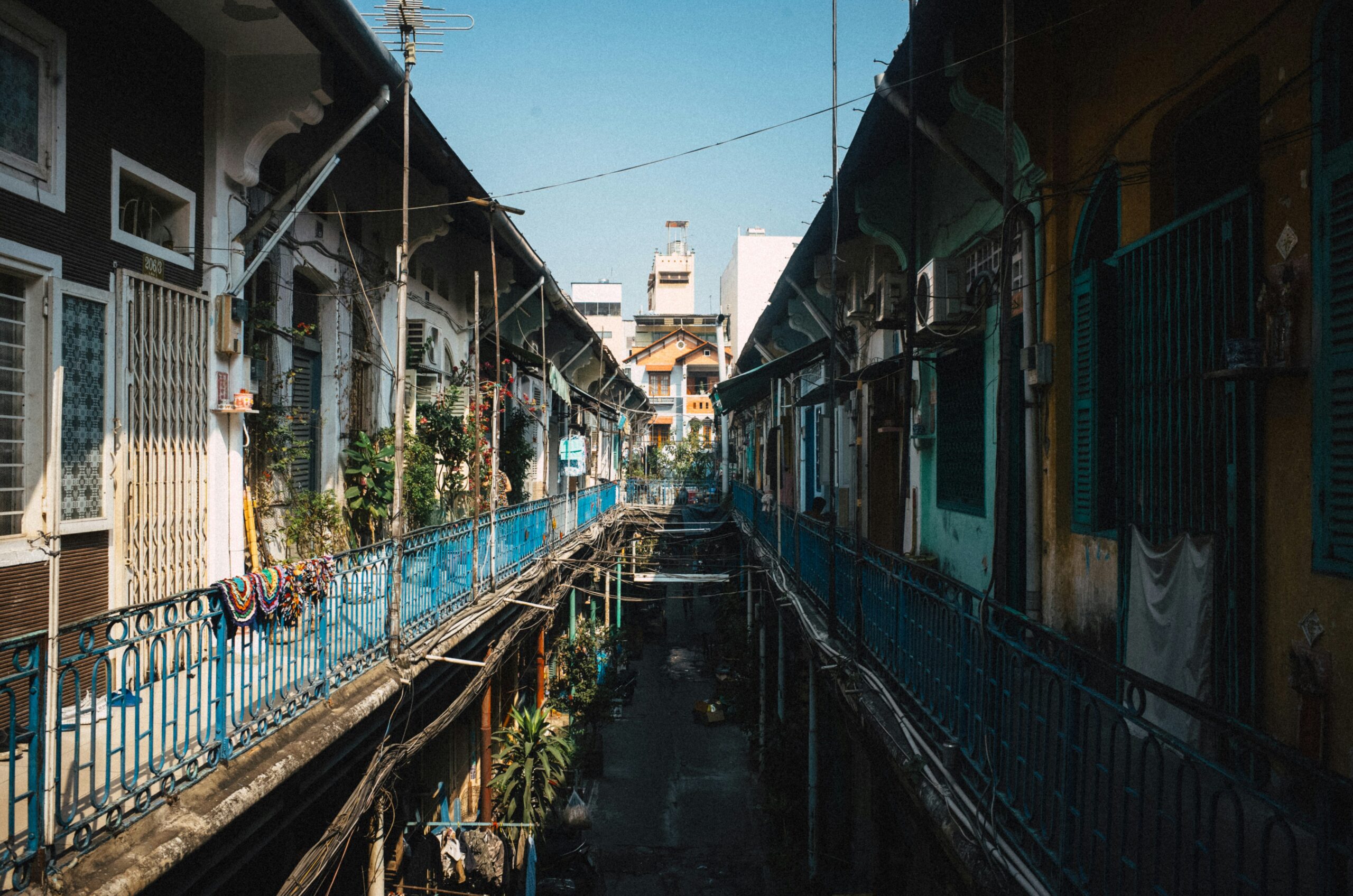
Cho Lon was established in the late 18th century, when waves of Chinese immigrants settled in southern Vietnam. Over time, it grew into the largest Chinatown in the country and one of the most vibrant in Southeast Asia. Today, the area remains home to a thriving Chinese-Vietnamese community that continues to preserve its traditions, festivals, and way of life.
Walking its streets, you can feel the deep sense of continuity—the architecture, the temples, and the marketplaces are living reminders of Saigon’s multicultural past.
Temples and Architecture
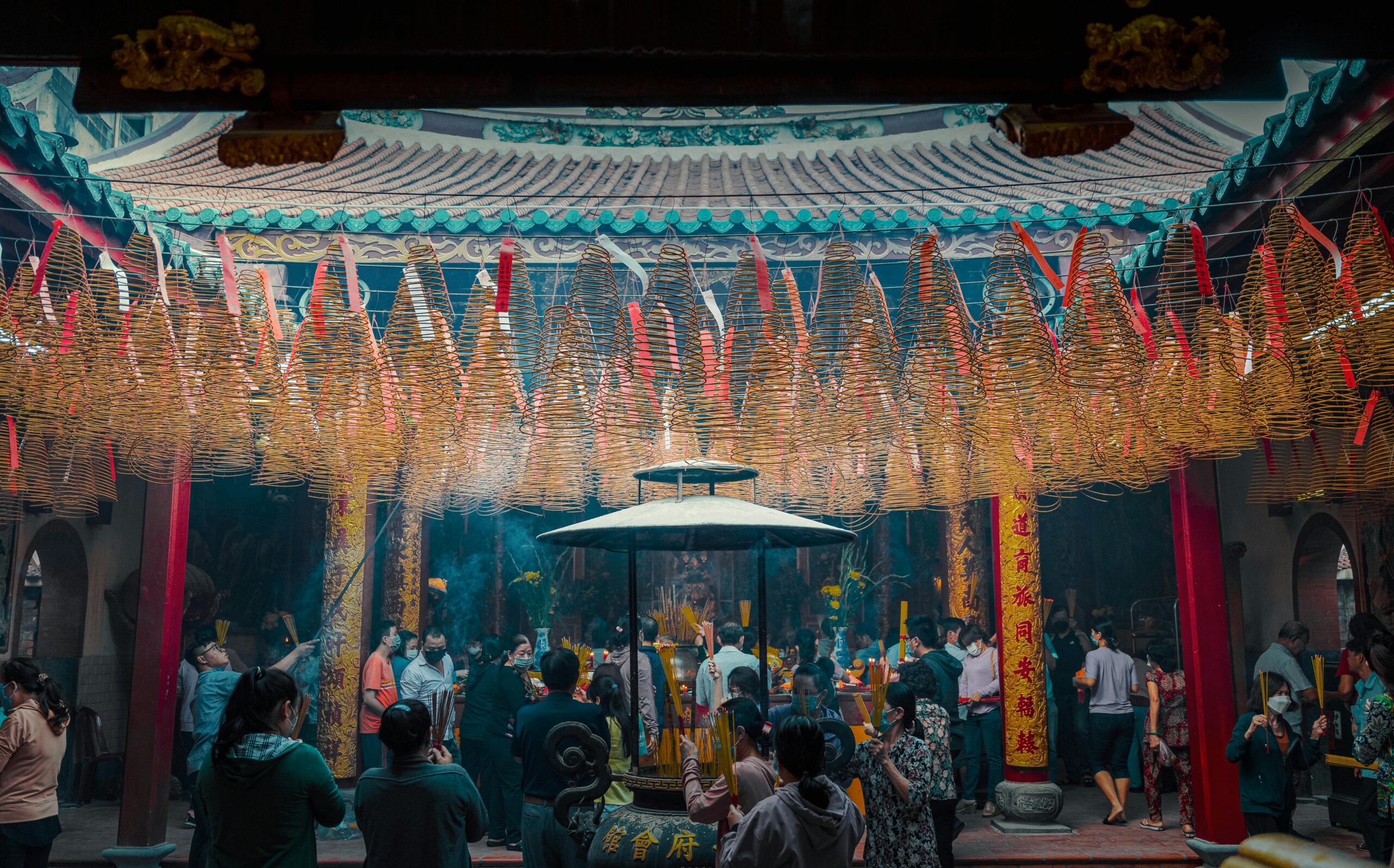
One of the highlights of Cho Lon is its ornate temples, built by different Chinese communities such as the Cantonese, Hokkien, and Teochew. Each temple is unique, adorned with intricate wood carvings, ceramic figurines, and incense coils hanging from the ceiling.
-
Thien Hau Temple: Dedicated to the sea goddess Mazu, this is one of the most famous temples in Saigon. Its elaborate rooftop sculptures and atmospheric interior make it a must-visit.
-
Quan Am Pagoda: A serene Buddhist temple, blending Chinese and Vietnamese influences, known for its peaceful courtyard and decorative details.
-
Ong Bon Pagoda: Less visited by tourists but deeply significant to the local community, dedicated to the god of wealth and protection.
These temples are not just historical sites; they are active places of worship, filled with the scent of incense and the quiet prayers of worshippers. Visiting them offers a glimpse into the spiritual life of Cho Lon.
Markets and Commerce
True to its name, Cho Lon has always been a center of trade. Even today, the streets buzz with wholesale activity, from textiles and household goods to traditional medicine and ceremonial items.
The Binh Tay Market, built by a Chinese merchant in the 1880s, is the beating heart of the district. Its French-colonial architecture, central courtyard, and bustling stalls make it a unique landmark. Unlike Ben Thanh Market in central Saigon, Binh Tay caters mainly to locals and traders, giving it a more authentic, less tourist-oriented atmosphere.
Festivals and Community Spirit
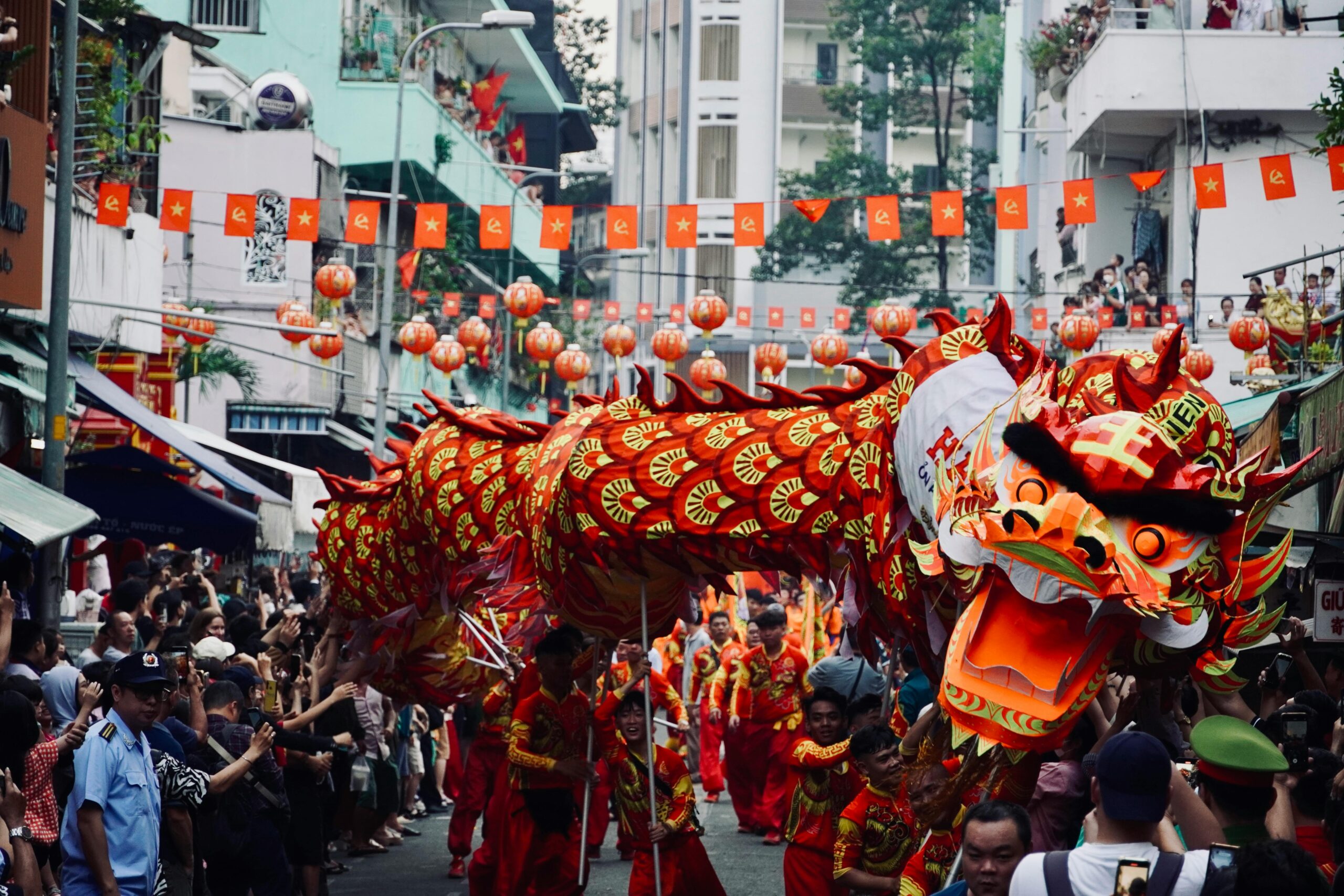
Chinatown comes alive during traditional festivals, especially Lunar New Year (Tet) and the Mid-Autumn Festival. Streets are decorated with red lanterns, lion dances fill the air with drums, and shops overflow with paper lanterns, mooncakes, and ceremonial goods. Even outside festival times, the sense of community here is strong—neighbors chatting in Teochew or Cantonese, elders gathering for tea, and families maintaining rituals passed down for centuries.
More Than Just a Neighborhood
What makes Cho Lon special is its ability to balance tradition and modernity. While Saigon rapidly evolves with skyscrapers and high-rises, Chinatown remains a pocket of living heritage. Every corner tells a story: an herbal medicine shop that has operated for generations, an old teahouse where regulars gather each morning, or a narrow alley lined with family businesses.
For travelers, exploring Cho Lon isn’t just sightseeing—it’s about experiencing a different rhythm of Saigon, one that is slower, richer in tradition, and deeply tied to identity.
Step Into Living History
Chinatown is more than a district; it is a cultural time capsule. In Cho Lon, you don’t just see history—you walk through it. The temples, markets, and everyday rituals are living traditions that connect the present with centuries past.
For travelers, a visit here is an invitation to look beyond Saigon’s modern facade and discover the layers of culture that make the city so unique. In the quiet prayers at a temple, the bustle of Binh Tay Market, or the glow of lanterns during a festival, you’ll feel the enduring spirit of a community that has shaped Saigon for generations.